This week, me and my group learnt how to round numbers and the decimals otherwise known as tenths, hundreths, and thousandths. People use rounding to make guesses about numbers and to make maths problems easier to solve. Rounding numbers in maths helps you estimate numbers and it makes calculations quicker and simpler. Rounding numbers, in maths is really helpful.
Long and Short Divsion DLO
For this week’s Maths , Group 1 learned how to do the division algorithm long and short. We figured out a way to solve the quotient but using the standard division method. Writing numbers in vertical with the bigger numbers on top. While you’re dividing the numbers, keep track of the remainder to make sure the problems have been solved correctly, using this method has made me confident when solving division and letting me have a better understanding.
Multiplication DLO
LI : How to calculate the product of whole numbers , using algorithm
This week in maths, my group named Group 1 learned how to multiply whole numbers using algorithims, which are numbers without decimals or fractions, like 5, 23, or 100. They are focused on the standard way of multiplying called the traditional multiplication method, which is what most people learn in school. In this method, you write the numbers one on top of the other, making sure to line up all the digits according to their place value so the ones are in the right spot, the tens are aligned underneath, and so on. This helps keep everything organized so each part of the multiplication is correct. For example, if you’re multiplying 5678 by 234, you’d have to look at the example which is on my DLO.
Subtraction Algorithim DLO
This week in math, I focused on learning how to find the difference between whole numbers using the usual subtraction method. I practiced lining up the numbers properly, making sure that the digits in each place value (ones, tens, hundreds, etc.) were aligned correctly so I could subtract each column accurately. I worked step by step, starting from the rightmost digit (ones) and moving left across the numbers. Whenever the top number in a column was smaller than the bottom number, I used a technique called regrouping, which means borrowing from the next column to the left. This involved taking one from the tens place (or higher) and converting it into more ones to make the subtraction possible. Doing it this way kept my calculations organized, and I paid close attention to each step to avoid making mistakes. As I practiced more, I started feeling more confident about subtracting larger numbers because I understood how important it is to follow each step carefully. This method helps make sure that the answer I get is correct and makes math easier to understand. Overall, I learned that good organization and carefulness are key to doing subtraction correctly, especially with bigger numbers.
Addition Algorithim DLO
Today we are doing a blog post about addition algorithim because we have finished doing it in our books, addition algorithm is a step by step method used to calculate the sum of two or more numbers, this involves numbers stacked vertically by their place value (one, tens, hundreds etc) with also starting to add from the right and then to the left. This algorithm also includes “carrying” or regrouping the values to the next column. How to do the addition algorithm, stack your numbers vertically so the place values align on the right. Starting from the far right column, add the digits together and write the total below; if the sum is 10 or more, write the last digit at the bottom and “carry” the first digit to the top of the next column to the left. Repeat this process for each column, being careful to include any carried numbers in your new totals, until you’ve finished all columns.
Word Problems DLO
This term for Maths Group 4 made a DLO about Word Problems, I liked how we started to help one another to use the right strategies in order to get the correct answers, the one thing that I loved and enjoyed about the Maths DLO was us collabrorating together to make something the represents Group 4’s book work. 

Transformation

Today LS1 about what Transformation is, The three words under the word transformation is Translation, Rotation and Reflection.
- Translation, translation is where an object moves in a straight direction.
- Rotation, Rotation is where the shape turns anticlockwise or clockwise around a fixed spot.
- Reflection, reflection is when the fogure gives a mirror image of itself.
Here is my work
Tally marks and Bar graphs
Today we were doing tally marks and bar graphs with Miss White, Tally Marks are really used for marking scores and counting as well. Bar Graphs are for explaing data like work or objects. When I was doing animals for my Tally Marks and my bar Graphs because I love animals. Here is my work. 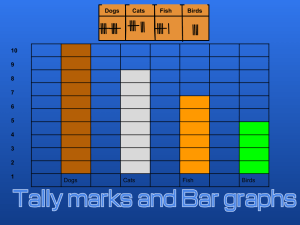
Place value
Here is my work